Details On Cambridge: Private Microsuction Ear Wax Removal In Cambridge CB2
Content Updated: 14th October, 2026 2:24 pm
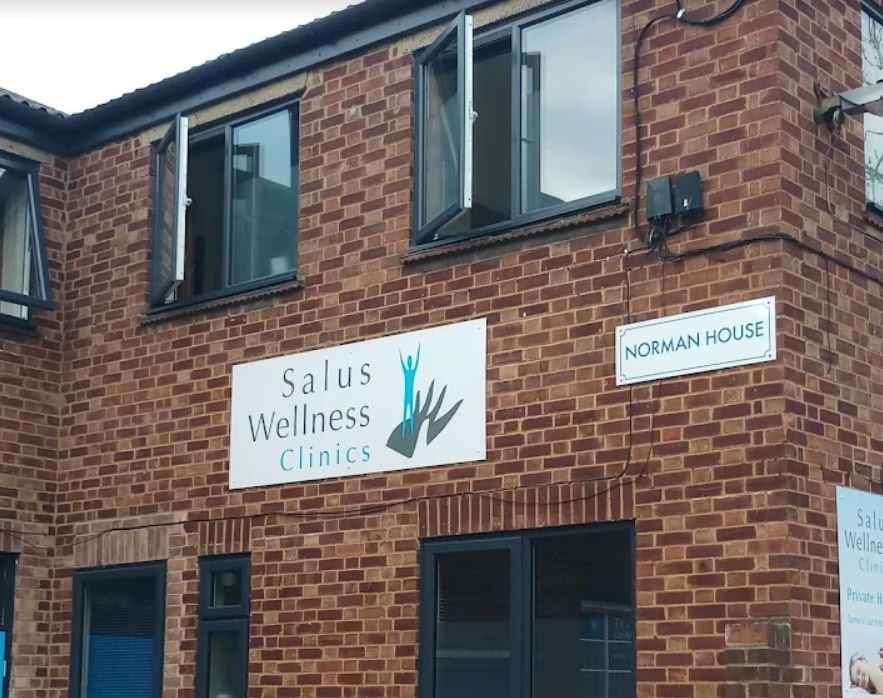
Our Cambridge ear wax removal clinic is based inside Kent Sports Academy on Javelin Way. Parking is available right outside, and the clinic also offers disabled access, which can make arrival simpler and less stressful.
Ear Wax Removal Cambridge Cb2 Map, Location and Directions
You can get directions to our Microsuction Cambridge Location here. Just put in your location in the specified area and Google Maps should lead you to the clinic.
Hearing First Cambridge
URL: https://www.hearingfirst.co.uk/book-ear-wax-removal-near-me/book-microsuction-ear-wax-removal-cambridge/
Probably the best ear wax removal clinic in Cambridge
– don’t just take our word for it – here are some of our many 5 star reviews:
What to Expect from Private Microsuction in Cambridge Cb2
Research Catalogue Results for Ear Wax Removal
- The auricular cough reflex: lateralization, prevalence, procedural determinants, and the role of examiner handedness. - van de Loo J, Mayer M, Sharaf K, Eckel H, Jansen L, Klussmann JP, Luers JC., 2026.
- High-definition otoscopic device for humanitarian mission: how i do it. - Lechien JR, Maniaci A, Kipsang MJ, Kibor M, Vaira LA., 2025.
- Use of Castor Oil in Dermatology: A Narrative Review. - Girdler K, Cabatu A, Olds H, Potts GA., 2026.
Source: Europe PMC. These are bibliographic matches, not personalised medical advice or an endorsement of a treatment.
Private microsuction ear wax removal in Cambridge CB2 offers a careful, appointment-based way to clear excess wax when symptoms are starting to affect hearing or comfort. It is often a good fit for adults and older children who are dealing with blocked ears, muffled hearing, fullness, ringing, or irritation linked to impacted cerumen. The procedure uses a fine suction device with direct visual guidance, allowing the clinician to remove wax with precision and control. For many people, that makes it a practical alternative to syringing or irrigation, especially if they want a quicker route to treatment and a more predictable clinic visit. In a private setting, you can usually expect time for questions, a short ear health check, and clear aftercare guidance. The aim is to ease pressure, improve hearing, and keep the experience as comfortable and focused as possible.
Why Many People Choose a Private Appointment
Patients often prefer private ear care because it can usually be arranged more quickly than an NHS route, and because the appointment is normally centred on one issue rather than several. If ear wax is affecting work, sleep, concentration, or hearing aids, a targeted consultation can be a sensible next step. Before treatment, the clinician may also check for signs of infection, perforation, or other ear conditions, which is important for safety. One major advantage is that microsuction is done under direct vision, so the practitioner can see the ear canal and work carefully around sensitive areas. That level of control is often especially useful when wax is hard, compacted, or sitting close to the eardrum.
Arriving for Your Cambridge Cb2 Appointment
When you are travelling for ear wax removal, parking and arrival details can make the experience feel much easier, especially if your ears already feel blocked. On-site parking can help reduce the hassle of reaching the clinic, particularly for people coming from central Cambridge, nearby villages, or other parts of South Cambridgeshire. If you are driving, it is sensible to build in extra time, check traffic before setting off, and plan your route ahead of time. Doing so can lower stress and give you a few calm moments before the appointment begins. Private clinics tend to work best when patients arrive promptly, as this helps the session stay organised and focused on assessment and treatment. If mobility is limited, having parking close to the entrance can also make the visit far more manageable. A little planning before you leave can make the whole appointment feel smoother and less tiring.
Things to Confirm Before You Travel
- Bring any useful information about your symptoms, hearing aids, or previous ear treatment, as it can help the clinician understand your situation.
- Make sure you know exactly where to park, so you are not searching for a space while already dealing with hearing loss or discomfort.
- Wear clothing and footwear that make it easy to move comfortably from your car to the clinic entrance.
- If you rely on navigation, check the destination in advance so you can follow the route without delay.
- Allow a bit of extra time for Cambridge traffic, roadworks, or busy periods around CB2 and the surrounding routes.
Disabled Parking and Access
Disabled parking bays close to the entrance can be especially helpful for patients who need a shorter walk or an easier transfer from vehicle to clinic. Ground floor treatment rooms and level access are also valuable for anyone with reduced mobility, balance concerns, or another condition that makes stairs difficult. If you use a wheelchair, walking aid, or a companion, these practical features can reduce strain on the day. It helps to think through arrival, entry, and exit together, because comfort at each stage can affect how relaxed you feel during treatment. Good access supports a better patient experience and keeps attention on the ear examination itself.
Reserve Your Microsuction Ear Wax Removal Appointment Today, And Ease the Discomfort Caused by Ear Wax.
Our microsuction ear wax removal clinic in Cambridge also serves clients in Central Cambridge, Chesterton, Mill Road, Grantchester Meadows, Eddington, Trumptington, Red Cross, Cherry Hinton, Church End, Teversham, Bottisham, Stow Cum Quy, Little Wilbraham, Fen Ditton, Barnwell, Kings Hedges, Arbury, Girton, Histon, Impington, Oakington, Bar Hill, Dry Drayton, Lolworth, Madingley, Hardwick, Comberton, Barton, Haslingfield, Frog End, Harlton, Little Eversden, Great Eversden, Claypit Hill, Kingston, Bourn, Caxton End, Orwell, Wimpole, Arrington, Whaddon Gap, Meldreth, Melbourn, Bridgefoot, Chrishall Grange, Ickleton, Hinxton, Stump Cross, Great Chesterford, Great Abington, Little Abington, Pampisford, Sawston, Babraham, Whittlesford, Six Mile Bottom, Great Wilbraham, Little Wilbraham, Bottisham, Horningsea, Waterbeach, Milton, Clayhithe, Cottenham, Landbeach, Northstowe, Newmarket, St Neotts, Histon, Royston, Fulbourn, Burwell, Cotterham, Hardwick, Boxworth, Great Shelford, Sawston, Linton, Babraham, Abington, Pampisford, Balsham, Longstanton, Brinkley, Cambs and Duxford and other towns and villages in Cambridgeshire.
Who Private Ear Microsuction Can Suit in Cambridge
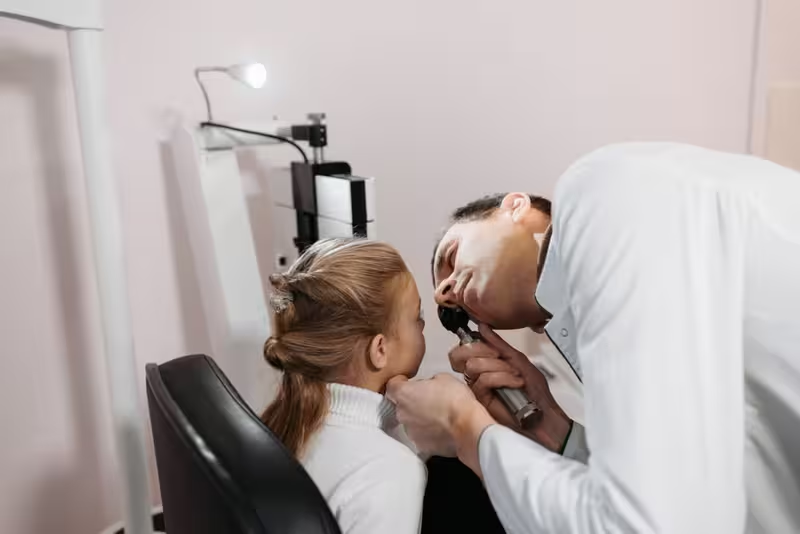
Microsuction is often a suitable option for people with excess ear wax who want a clean, clinically guided method of removal. It can be particularly useful if you wear hearing aids, have recurring wax build-up, or have tried drops without enough relief. Some people notice reduced hearing, popping, itching, or a sense that sound is muted in one ear, and those symptoms often lead to an appointment. A private clinic can assess whether wax is the main cause or whether another ear problem needs attention. That distinction is important, because ear pain, discharge, dizziness, or sudden changes in hearing should not automatically be blamed on wax. Before treatment starts, the clinician may ask about past infections, surgery, eardrum perforation, or other ear health concerns. This screening supports safe practice and helps confirm that microsuction is the right choice for your needs.
Common Reasons Patients Book In
- Ear drops have not cleared the blockage, so a more direct clinical solution feels sensible.
- There is a history of repeated wax build-up, so planned removal is easier than waiting for symptoms to escalate.
- Hearing feels blocked or dull, making everyday speech harder to follow, especially in noisy or echoey settings.
- The patient prefers a method carried out under direct vision, using suction rather than water irrigation.
- Hearing aids whistle, feed back, or sound less effective because wax is affecting the fit or acoustic seal.
When Medical Advice Should Come First
If you have severe pain, a discharge from the ear, sudden hearing loss, facial weakness, or marked dizziness, medical advice should come before wax removal. Those symptoms may suggest something other than simple ear wax, and a clinician needs to assess you properly before proceeding. In some cases, microsuction may still be suitable later, but only after the right checks have been made. That is why a careful history is part of good ear care, it helps protect your hearing and ensures the treatment plan fits your situation instead of assuming every blockage is caused by cerumen.
Simple Preparation Tip
Before your appointment, note how long the problem has been present, whether one ear or both ears are affected, and whether you have used any softening drops. Small details like these can help the clinician decide what to examine and whether microsuction is appropriate.
Video: What Happens in Your Ear Wax Removal Cambridge Appointment
Microsuction Versus Ear Syringing in Practical Terms
Microsuction and ear syringing are often mentioned together, but they are not the same treatment. Microsuction uses suction under direct vision, which allows the clinician to see the ear canal while working. Ear syringing, or irrigation, relies on water to dislodge wax and can be less suitable for some ears, particularly where there is a perforation, a history of infection, or other ear health concerns. Many people prefer microsuction because it is precise, feels less messy, and avoids introducing water into the canal. That said, the most suitable method always depends on the individual ear and the clinical assessment on the day. A good practitioner will take your history, symptoms, and ear anatomy into account before deciding on an approach. The goal is not to force a technique, but to clear wax safely, improve hearing, and reduce the risk of further discomfort.
Why Suction Is Often Preferred
Direct visual control is one of the main reasons microsuction is widely used in private ear care. The clinician can see the wax, the canal, and the eardrum, which makes treatment more targeted. This can be particularly helpful when the wax is compacted, hard, or close to the eardrum. By comparison, water-based methods may not suit everyone, including people with fragile ear canals or a history of ear surgery. Many clinics also value microsuction because it fits well with modern ear health practice, where careful inspection and individual assessment are central to safe treatment.
Points to Raise During Assessment
- Any previous perforation, grommet, or ear surgery, because those factors can change the safest treatment option.
- Whether you feel pain, pressure, dizziness, or tinnitus, as this helps the clinician judge how the ear should be handled.
- How often wax tends to build up, since repeated cases may benefit from routine maintenance.
- Whether hearing aids are affected, which can influence how quickly the appointment should be arranged.
- Any recent infection or discharge, which may mean treatment should be postponed or adjusted.
Helpful Caution
Even when a method is described in general terms as safe, individual ears vary. A proper examination should come first, and any recommendation should reflect your own ear health rather than a one-size-fits-all assumption.
Clinical Note
Removal should always stop if the clinician spots a problem that needs a different referral or further investigation. That is part of responsible practice, not a failure.
Further Details
You can find more details on ear wax removal in Cambridge with Hearing First here.
How a Private Ear Wax Removal Visit Is Usually Structured
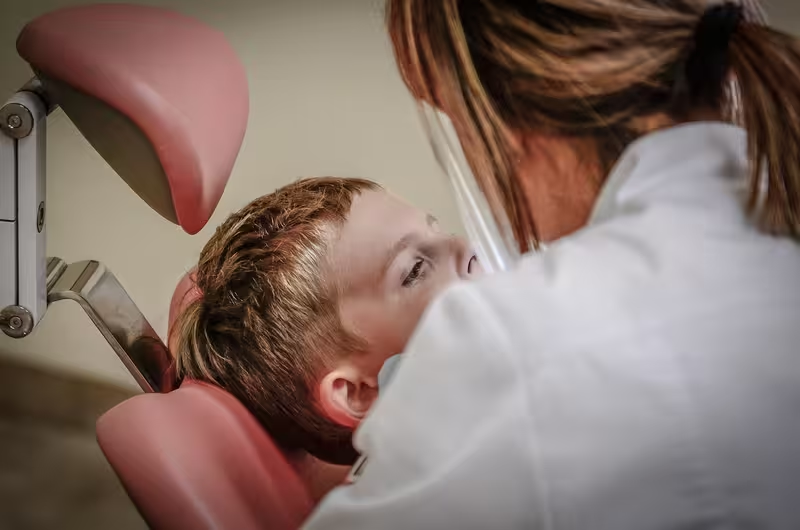
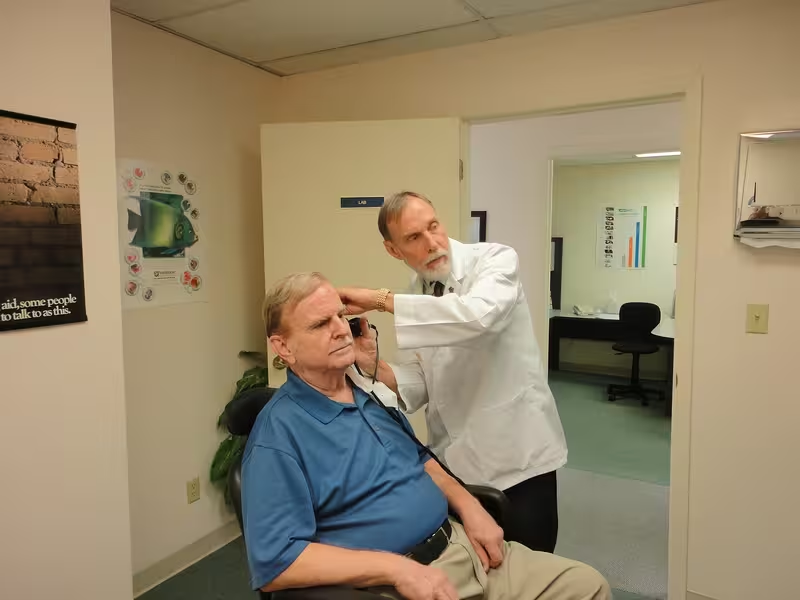
A private microsuction appointment usually begins with a brief discussion about your symptoms and any relevant medical history. The clinician then looks into the ear canal, typically with an otoscope or microscope, to confirm whether wax is present and whether the ear is suitable for suction. If treatment goes ahead, the wax is removed in a controlled way, and you may hear suction sounds during the process. Some people notice an immediate improvement in hearing, while others feel the ear becomes clearer over a short period. After the procedure, the clinician may explain what was found, whether one or both ears were treated, and whether any follow-up is needed. Good aftercare matters because it helps you understand what is normal and when to seek help if symptoms continue. The whole visit is usually focused, calm, and practical, which is one reason many people prefer a private route for ear wax removal.
What Happens During the Examination
The first part of the appointment is about assessment, not removal. That matters because the clinician needs to confirm that the blockage is really wax and that there are no warning signs such as infection or inflammation. They may ask about pain, tinnitus, previous treatment, and whether you have used olive oil or another softening agent. This short conversation supports safe decision-making and helps the clinician explain what they are seeing. Once the ear canal has been checked, treatment can be completed in a measured way rather than guessing at the problem.
Aftercare and Recovery
Most people go home soon after treatment and can return to usual activities the same day. You may be advised to keep the ear dry for a short while, avoid inserting cotton buds, and watch for any ongoing discomfort. If hearing does not improve as expected, or if new symptoms appear, it is sensible to follow up for advice. Aftercare is not complicated, but it is important because it helps protect the ear canal and supports a better outcome. If you wear hearing aids, you may also be told when it is best to put them back in after removal.
Small Recovery Tip
Allow yourself a little time after the appointment before driving away or rushing back into a noisy day, especially if one ear has been blocked for some time.
What to Avoid
Do not put cotton buds, hairpins, or other objects into the ear canal. They can push wax deeper, irritate the skin, and make future treatment more difficult.
Microsuction Vs. Ear Syringing
further impaction of the ear wax, perforation of the ear drum, but also because ear syringing is inherently less safe than ear micro suction. Possible side effects of ear syringing or irrigation are ear infection, hearing loss, Many people in North West London are finding that their local GP surgery no longer offers ear syringing. No doubt this is partly due to a lack of funding, and tinnitus(i.e. the ear wax gets pushed even harder against the ear drum). Is it any wonder that people are going off walk in ear syringing in London and are seeking out microsuction ear wax removal instead? Unfortunately, the sharp rise in demand has meant that NHS micro suction clinics are now unable to meet the need and waiting times are often over two to three months.
You no longer need to wait months for micro suction. Why not save time by going private? It’s not as expensive as you think. Simply go to our booking page and you could be saying goodbye to your wax blockage this week!
33 Somewhat Quirky Facts About Cambridge
- Cambridge's Round Church Is One of Only Four Medieval Round Churches: The Church of the Holy Sepulchre, commonly called the Round Church, was built around 1130 and is one of only four surviving medieval round churches in England.
- King's College Chapel Has the World's Largest Fan Vault: King's College Chapel's stone fan vault, completed in 1515, is widely regarded as the largest example of its kind in the world.
- The Cambridge University Library Holds a Copy of Every British Book: As one of the UK's six legal-deposit libraries, Cambridge University Library can claim a copy of every work published in Britain and Ireland.
- The Fitzwilliam Museum Began with One Man's Bequest: The Fitzwilliam Museum was founded after Richard FitzWilliam, 7th Viscount FitzWilliam, left his art collection, books and funds for a museum to the University in 1816.
- Cambridge Station Once Had a Train to London in Under an Hour: The railway reached Cambridge in 1845, and the main line continues to connect the city with London King's Cross and Liverpool Street.
- Parker's Piece Helped Shape Football Rules: Parker's Piece is associated with the Cambridge Rules of 1848, an influential early attempt to codify football before the Football Association was formed.
- The First Cambridge Boat Race Was Held at Henley: Cambridge and Oxford first raced each other on the Thames at Henley in 1829, before the annual Boat Race moved to its modern London course.
- Cambridge's First Women Students Were Not Given Degrees: Women were admitted to Cambridge examinations in 1881 but could not receive full university degrees until 1948.
- The University Is Older Than the Aztec Empire: Teaching in Cambridge was recorded by 1209, centuries before the foundation of the Aztec capital Tenochtitlan in 1325.
- Jesus Green's Lido Is Among England's Longest Outdoor Pools: Jesus Green Lido has a 100-yard pool, making it one of the longest outdoor swimming pools in the country.
- The Backs Form a Protected Historic Landscape: The Backs, the open college grounds beside the River Cam, are protected as a Grade I registered historic park and garden.
- Cambridge Has a Medieval Leper Chapel: Stourbridge Chapel, founded in the 12th century as part of a leper hospital, survives near the site of the historic Stourbridge Fair.
- Lord Byron Had a Pet Bear at University (As You Do!)
When told he couldn’t bring his dog to Trinity College, the poet Lord Byron cheekily brought a bear instead. Since no rule explicitly forbade it, the college had no grounds to expel it. - Some Say Newton Didn’t Need the Apple
The famous apple story may be partly apocryphal. Some scholars believe Newton used the tale for dramatic effect — and there’s even debate about whether the apple actually fell on his head. - The Eagle Pub Holds DNA’s Greatest Secret
At The Eagle pub, Watson and Crick famously announced they had “discovered the secret of life.” A blue plaque marks the event — but locals say the pub is also haunted by wartime airmen. - The Best Ear Wax Removal In Cambridge
You can find the best ear wax removal in Cambridge through Hearing First, who operate within Salus Wellness on Cambridge Place, just off Hills Road. Book an appointment for ear wax removal in Cambridge with Hearing First today! - The Corpus Clock’s “Time-Eater” Doesn’t Tick Normally
The Chronophage — a grotesque insect sculpture on the Corpus Clock — appears to devour time. The clock runs fast, then slow, then stops… all by design, to symbolise the unpredictability of life. - There Are Ghost Stories in Nearly Every College
many colleges report ghostly sightings. Emmanuel College supposedly has a haunted library, Trinity, and From phantom scholars to floating monks has tales of ghostly footsteps in the cloisters. - Cambridge Has a Secret Society Named “The Night Climbers”
This mysterious group of students is known for scaling the rooftops and spires of Cambridge under cover of darkness — leaving surreal items like traffic cones on college chapels. - The Mathematical Bridge Was Once Taken Apart by Curious Students
Legend says students once dismantled Queen’s College’s Mathematical Bridge to understand its structure, but couldn’t reassemble it without nails. The truth? It’s just a myth — but a good one. - Stephen Hawking Had a Reserved Spot at a Chinese Restaurant
Hawking frequently dined at The Peking Restaurant. Staff say his table was always kept ready — and that he once requested a special dish not on the menu, which they named after him. - The Real Alice (from Wonderland) Lived Nearby
Alice Liddell, the inspiration for *Alice’s Adventures in Wonderland*, frequently visited Cambridge. Though Carroll was based at Oxford, the story had many ties to Cambridge acquaintances. - You Can Whisper Across a Courtyard
In certain college cloisters, like those at Trinity or St John’s, acoustics allow whispers to travel along the walls, letting people hear conversations from across the yard — eerie but true. - A Student Once Rowed a Bathtub Down the River Cam
In a moment of classic Cambridge eccentricity, a student successfully floated a bathtub down the river during May Week celebrations — with a bottle of bubbly and academic gown intact. - There’s a Secret Garden on the Rooftop of St John’s
Hidden atop one of St John’s buildings is a little-known roof garden, visible only to those who know where to look. Its purpose? A mystery to most students — and even some fellows. - The Bridge of Sighs Is More Like a Joke
St John’s Bridge of Sighs was named after the famous Venetian one, but it’s not mournful at all. In fact, Queen Victoria called it “the most beautiful bridge in England.” No one knows why the name stuck. - Isaac Newton’s Tree Is Cloned and Guarded
A clone of Newton’s famous apple tree exists at Cambridge and it’s said to be subtly guarded during exam season — in case overly stressed students try to “borrow” apples for inspiration. - Cambridge Had an Underground Radio Station During WWII
It’s rumoured that Churchill ordered a secret communications hub to be built under the university during WWII. Some allege tunnels still exist — but access is strictly off-limits. - The Grass Is Sacred — Don’t Walk on It
At many colleges, students can’t walk on the grass in courtyards unless they’re fellows. It’s such a deeply ingrained rule that doing so is considered rebellious… or brave. - There’s a Door in a Wall That Leads Nowhere
One of King’s College’s oldest walls has a bricked-up doorway with no historical records. No one knows where it originally led — or why it was sealed shut. - The May Ball Is Held in June
Cambridge’s famous May Balls — lavish all-night student parties — don’t actually happen in May. They’re held in June, after exams, but tradition stubbornly holds onto the old name. - Darwin’s Beetle Collection Was Nearly Lost to a Flood
Charles Darwin’s precious beetle collection was stored at Christ’s College. A 19th-century flood threatened to destroy it — but quick-thinking dons rescued the boxes by forming a human chain. - The University Owns a Piece of the Moon
The Sedgwick Museum of Earth Sciences in Cambridge houses a moon rock fragment from the Apollo 11 mission — quietly sitting in a display case between ancient fossils.
How Hearing Aids, Tinnitus, and Blocked Ears Interact
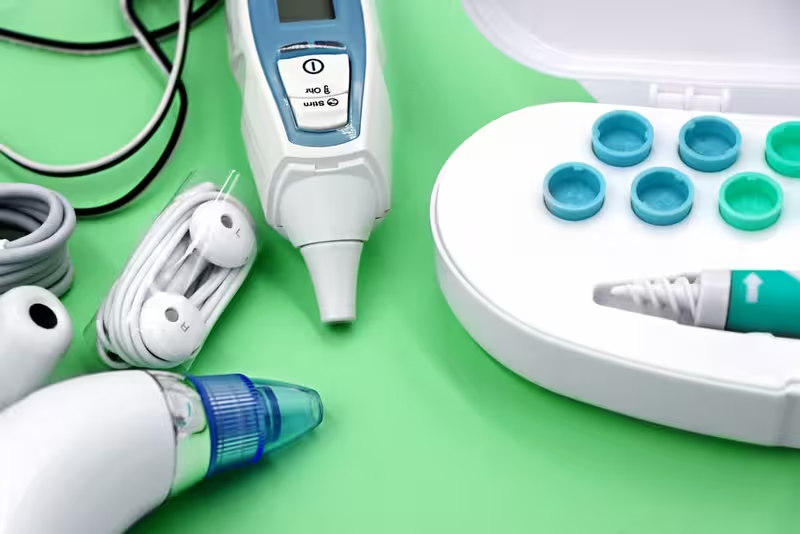
Ear wax can affect people more than they often expect, particularly if they wear hearing aids or already live with tinnitus. A wax blockage may interfere with the fit of the hearing aid, reduce sound quality, and increase feedback or whistling. If the device no longer sounds right, wax should be one of the first things to check. Tinnitus can also seem more noticeable when the ear canal is blocked, because reduced hearing may make ringing or buzzing feel louder. Clearing wax will not cure tinnitus, but it can remove one factor that makes the symptom worse. For people who rely on better hearing for work, family life, or social contact, even a small improvement can make a meaningful difference. A clinic that understands hearing care can assess both the wax and the practical effects it is having on day-to-day listening.
Why Hearing Aid Users Often Need Wax Checks
Hearing aids sit close to the ear canal, so wax can affect them quite quickly. Build-up may clog microphones, change sound balance, or cause discomfort when the aid is worn for long periods. Regular checks can help prevent repeated issues and reduce unnecessary frustration. Some users benefit from planned wax removal instead of waiting until their devices become difficult to use. This is especially true if there has been a pattern of recurrent impaction or if the aid fitting is sensitive to even small changes in the canal.
Signs Wax May Be Affecting Hearing
- Speech sounds muffled, as though people are talking through a barrier.
- One ear seems quieter than the other, even though both felt fine recently.
- You notice fullness, itching, or pressure in the ear canal.
- Tinnitus seems stronger after a wax build-up develops.
- Hearing aids whistle more often or need frequent adjustment.
Practical Reminder
If you wear hearing aids, tell the clinician the make and type during your appointment, because that can help them understand how wax may be affecting your hearing.
Tip for Ongoing Care
Routine ear checks can be useful for recurring wax build-up, especially if you have previously been advised to avoid water-based removal methods.
Appointment Booking
Due to high demand, private ear wax removal is by appointment only. You can book an ear microsuction appointment in Cambridge here, or click on the button below:
Cambridge Microsuction Appointment Booking
Private ear wax removal in Cambridge is available by pre-booked appointment because demand is high. Arranging a dedicated slot helps you plan your visit to the Kent Sports Academy location and ensures the clinic is expecting you when you arrive.
Use the Cambridge microsuction booking page to select an appointment route that suits you. If you have questions about your ear wax blockage, access needs or the information required before booking, it is sensible to clarify these directly with the provider beforehand.
- Open the Cambridge ear microsuction appointment page.
- Provide the requested booking details carefully.
- Check the appointment information before travelling to the clinic.
Booking ahead is a straightforward first step towards addressing the discomfort associated with excess ear wax. If symptoms are severe, sudden or concerning, seek appropriate medical advice rather than relying on an appointment page alone.
Access, Mobility, and a Calm Visit in Cambridge Cb2
Good access is more than a convenience, it can shape how relaxed you feel before treatment begins. A clinic on the ground floor with level access is easier for people who use wheelchairs, walking sticks, or other mobility aids, and it also helps anyone who finds stairs uncomfortable. When an appointment involves ear care, hearing changes, or anxiety about the procedure, straightforward access can remove a layer of stress. That is useful for older patients, those travelling with a companion, and anyone who prefers a simple arrival and entry. In private microsuction, the experience should feel organised and considerate from the moment you arrive. Clear access, sensible parking, and an unhurried check-in can all support better patient comfort. If you know you need extra time or assistance, planning ahead can make the whole visit smoother and less tiring.
How Access Features Support Patient Care
Access features are not just practical details, they also help people attend when symptoms are bothering them. If hearing is reduced or one ear feels blocked, navigating steps, heavy doors, or distant parking can add avoidable difficulty. Level entry and a ground floor setting reduce that burden. They also make it easier for clinicians to work efficiently, because patients arrive more settled and less fatigued. For people with balance concerns, this matters even more, since ear symptoms can sometimes make movement feel less secure.
Planning for a Companion
Some patients prefer to bring a friend or family member, particularly if they have mobility concerns or feel uneasy about treatment. A companion can help with travel, reassurance, and remembering aftercare advice. That can be especially useful if both ears have been affected or if the visit follows a period of reduced hearing. Good planning keeps attention on the clinical appointment rather than on practical worries.
When Extra Time Helps
If you know you need a slower pace, build that into your travel plans. A few extra minutes can make arrival, seating, and the consultation feel much calmer.
Nearby Clinics

Here are some other clinics close to our Cambridge location:
- Welwyn Garden City: Private Ear Wax Removal Welwyn Garden City
Why Appointment-Only Ear Wax Removal Matters
Private microsuction is usually offered by appointment only, and there are good reasons for that. A booked slot allows the clinic to prepare for your visit, review any relevant details, and give you a proper assessment without feeling rushed. It also means you can choose a time that fits around work, family commitments, or travel across Cambridge and the surrounding villages. For people dealing with a blocked ear, certainty matters. Knowing when you will be seen can reduce frustration and make the rest of your day easier to plan. Pre-booking also supports good clinical practice, because it gives the team time to manage the session carefully and safely. If you are considering treatment, it is sensible to use the booking route provided by the clinic and to raise any questions about symptoms, suitability, or access needs before you travel.
How to Prepare for the Booking Process
- Check whether the appointment is for one ear or both, so the visit can be planned correctly.
- Read any pre-appointment guidance carefully, especially if you have a history of ear problems.
- Note down any ear drops, hearing aids, or previous wax removal treatments, as these details may be relevant.
- Allow enough time in your day for travelling, parking, and the consultation itself.
- Use the clinic's booking route rather than arriving without a slot, since demand can be high.
Why Clear Communication Helps
If you are unsure whether microsuction is appropriate, ask before the appointment rather than waiting until you arrive. Clear communication helps the clinic decide whether you need routine ear wax removal, a different ear care pathway, or further medical assessment. That is better for safety and for peace of mind.
Small Booking Tip
Keep your notes about symptoms handy when you book, because details such as pain, tinnitus, or hearing aid use can affect the advice you are given.
Disabled Access
Published Accessibility Features
- Wheelchair-accessible entrance
- Wheelchair-accessible parking
Accessibility details are provided by Google Maps. Contact the location to confirm individual requirements.
The clinic is located on the ground floor and there is level access.
Local Service Area for Cambridge and Surrounding Places
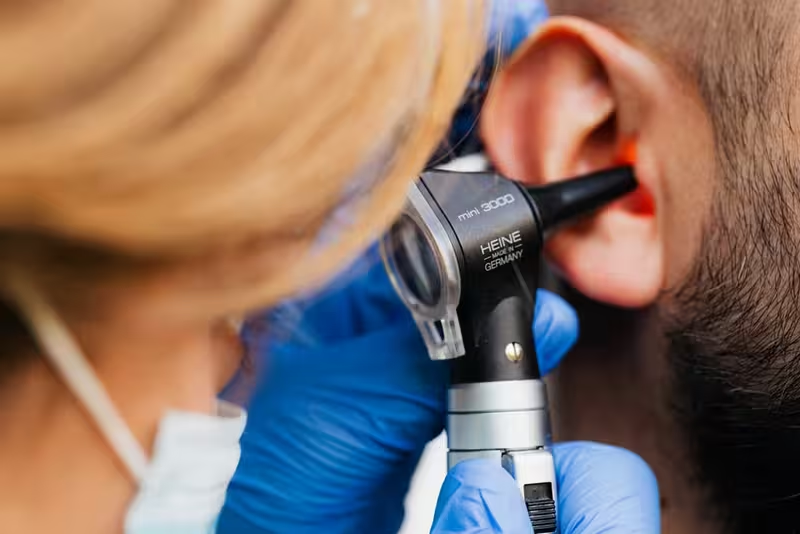
People looking for private ear wax removal in Cambridge often travel from a wide area, not only CB2. That is partly because ear symptoms can affect anyone, and partly because a reliable appointment-based service can be difficult to find. Patients may come from central Cambridge, Chesterton, Cherry Hinton, Fulbourn, Great Shelford, Histon, Girton, Waterbeach, Sawston, Duxford, Royston, Newmarket, and many nearby villages and towns across Cambridgeshire. For people living further out, a private visit can be easier to plan than repeated trips to different services. This wider catchment also reflects how common wax build-up is among hearing aid users, older adults, and people who notice gradual changes in hearing. A clinic serving Cambridge needs to be practical, accessible, and clear about what it offers so that patients can decide whether the journey is worthwhile.
Why Patients Travel from Beyond the City
People often travel because they want a timely appointment, a focused assessment, and a method that suits their ear health. For someone with a blocked ear, a long wait can affect work, study, meetings, and family life. Travelling a bit further for private microsuction may still be worthwhile if it means being seen sooner and receiving proper aftercare advice. In addition, people who have had difficulties with irrigation or who want direct-vision removal may prefer a provider known for ear wax treatment rather than a general walk-in service.
Choosing a Clinic That Fits Your Needs
Look for a service that is clear about assessment, access, and the type of removal offered. You want a clinic that understands ear canal anatomy, hearing care, and the limitations of each technique. That kind of attention helps ensure the visit is useful, not just quick.
Practical Travel Tip
If you are coming from outside Cambridge, check parking and travel time before booking so you can choose a slot that fits your journey comfortably.
Parking
Car Parks Near Hearing First Cambridge
- YourParkingSpace, approximately 0.6 miles from Hearing First Cambridge. View on Google Maps.
- Queen Anne Terrace Car Park, approximately 0.2 miles from Hearing First Cambridge. View on Google Maps.
- Cambridge Leisure Park Car Park, approximately 0.5 miles from Hearing First Cambridge. View on Google Maps.
Parking information and place links are provided by Google Maps. Check restrictions and charges locally.
There is ample free on-site parking available.
When Ear Wax Becomes a Hearing and Comfort Issue
Ear wax is normal, but too much of it can become uncomfortable and disruptive. It may cause blocked hearing, itching, pressure, or a feeling that sound is muffled on one side. Some people also notice that conversation becomes harder in restaurants, offices, or other echoing places because the ear is no longer transmitting sound clearly. The issue is not just inconvenience, it can affect concentration, confidence, and everyday communication. For hearing aid wearers, wax may also interfere with device performance and cause repeated whistling or poor sound quality. Private microsuction offers a direct route to clearing the blockage, which is why many patients seek it when symptoms begin to affect normal life. The sooner the canal is checked, the easier it is to confirm whether wax is the cause and whether removal is the right step.
Typical Signs That Wax Is Building Up
Not every blocked ear feels the same. Some people notice gradual hearing loss, while others feel pressure or fullness before their hearing changes. Tinnitus may become more obvious, and the ear may feel itchy or slightly uncomfortable. If symptoms are increasing, it is sensible to get an assessment rather than waiting for the problem to settle by itself. Wax can sometimes respond to softening drops, but not every case will clear without professional help, especially if the wax is hard or deeply packed.
Why Self-Cleaning Can Backfire
Cotton buds and similar objects can push wax deeper into the canal, which makes removal harder. They can also irritate the skin and increase the risk of soreness or infection. A safer approach is to have the ear examined properly, then follow the advice given by a trained clinician.
Good Habit to Keep
If you are prone to recurrent wax build-up, pay attention to early signs rather than waiting until the ear feels completely blocked.
Disabled Parking

There are several disabled parking bays opposite the entrance
Final Thoughts on Private Microsuction in Cambridge Cb2

If you are dealing with blocked ears, reduced hearing, tinnitus that feels worse than usual, or discomfort from excess wax, private microsuction can be a practical next step. The process is usually straightforward, but the best outcomes come from good assessment, sensible preparation, and clear aftercare. Cambridge CB2 is well suited to this kind of appointment-based ear care because patients can plan parking, access, and travel in advance. That matters when hearing is reduced or you are already feeling uncomfortable. Before booking, think about your symptoms, any history of ear surgery or infection, and whether you use hearing aids. Those details help the clinician decide on the safest approach. If you need help, ask before you attend, because a short conversation can save time and reduce uncertainty. For many people, a single well-managed appointment is enough to make hearing feel clearer and everyday life easier again.
What Makes a Good Patient Experience
- Direct-vision removal that is carried out carefully and without unnecessary pressure.
- Simple access, sensible parking, and an appointment structure that respects your time.
- A clear explanation of what the clinician is checking and why the ear needs treatment.
- Practical advice about recovery, hearing changes, and what to do if symptoms continue.
- A focus on whether microsuction is appropriate for your ears, rather than using the same approach for everyone.
One Last Reminder
If symptoms feel unusual, severe, or sudden, seek medical advice rather than assuming ear wax is the only cause. Good ear care starts with the right assessment.