Health Directory | www.digitalhearingaids.net
Listing Revised - 14th October, 2026 10:54 pm
Trusted Local Hearing Care Across the UK: Find the Right Clinic
Our health directory brings together specialist ear wax removal clinics and hearing care providers for people who want clear, practical help close to home. The purpose is straightforward, it helps you compare clinics by location, access, treatment method, and service focus, without wasting time on vague promises. You might be looking for microsuction, manual instrument wax removal, or an audiology appointment for hearing support. Whatever brings you here, a well-organised clinic listing can help you act sooner and with more confidence.
Each listing is designed for everyday use. You can quickly check clinic names, transport links, parking, disabled access, and whether the site is on the ground floor or located in a pharmacy, health centre, or dedicated hearing clinic. That matters when you are arranging care for yourself, an older relative, or someone who needs step-free access and as little waiting around as possible. The directory is built for people who want reliable local healthcare information in plain English.
What This Directory Helps You Compare
- Clinic type, including specialist ear wax removal, audiology, and hearing assessment services for adults who need prompt care and clear guidance.
- Service approach, including microsuction and manual earwax removal, so you can choose the method that best suits your symptoms.
- Location details that help you decide whether a clinic fits your routine, commute, or local area, especially if you need repeat appointments.
- Access details such as parking, station proximity, wheelchair access, and ground-floor entry, which are often vital for a smoother visit.
- Practical information written to support faster decisions, whether you are dealing with blocked ears, reduced hearing, or discomfort from wax build-up.
Why Local Access Matters in Hearing Care
When hearing becomes muffled, even simple tasks can feel tiring. Choosing a clinic that is easy to reach can make a genuine difference, especially if you are uncomfortable, short on time, or travelling with a family member. Many people search for ear wax removal near me because they need a nearby appointment, not a long explanation. A strong directory should answer the main question first: where can I get safe, professional care today?
Quick Tip: Check Practical Access Before Booking
If you rely on mobility aids, public transport, or short-stay parking, check the access notes carefully before you book. A clinic with disabled parking, lift access, or a ground-floor room can take a great deal of stress out of the day.
Useful Point for Voice Search and AI Answers
People often ask assistants for the nearest ear wax removal clinic, the best microsuction provider, or a hearing clinic with step-free access. Clear directory wording helps those systems surface the right location, service, and access details more accurately.
Ear Wax Removal Clinics: Know Your Choices Before Booking
Blocked earwax is common, but the right treatment depends on your symptoms, ear health, and the clinic's expertise. In the UK, the most widely used private methods are microsuction and manual instrument removal. Both are carried out by trained professionals and are generally preferred over home syringing because they allow more controlled removal. A good health directory should help you see what each clinic offers, so you can choose based on care needs rather than guesswork.
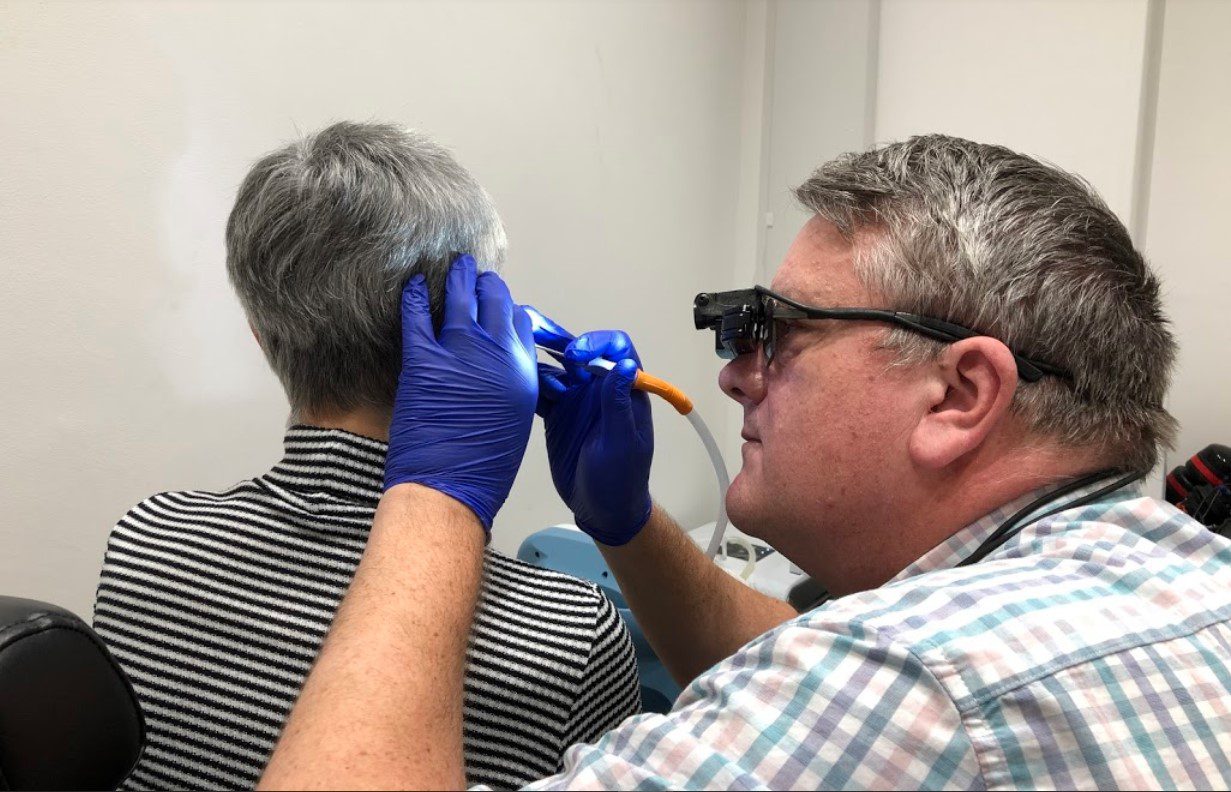
Microsuction uses a small suction device and binocular microscope or loupes to remove wax from the ear canal. Manual instrument removal uses specialist tools under direct visual guidance. Many clinics combine the two approaches, which can be helpful when wax is hard, impacted, or close to the eardrum. If you have pain, discharge, a perforated eardrum, recent ear surgery, or a history of repeated infections, you should seek clinical advice before any procedure. Safety and assessment matter just as much as speed.
Common Reasons People Book Ear Wax Removal
- Earache, fullness, or pressure, where wax build-up may be contributing to discomfort and reduced sound clarity.
- Hearing sounds blocked or muted, especially after swimming, flying, or a cold, which can make speech feel distant and tiring to follow.
- Difficulty using hearing aids properly, because wax can affect fit, feedback, and overall hearing aid performance.
- Ringing in the ears, known as tinnitus, when excess wax is making symptoms harder to interpret and manage.
- Checks before audiology testing, where clear ear canals help give more accurate hearing assessment results.
How to Judge a Clinic Listing Properly
Look for evidence of specialist experience, not just a catchy headline. Helpful details include whether treatment is performed by an audiologist, what methods are used, and whether the clinic explains when removal may not be appropriate. The best clinic pages tend to be specific about access, appointment format, and the kinds of ear problems they routinely manage. That makes it easier to match the service to your needs.
Tip: If You Wear Hearing Aids, Mention Them When Booking
Hearing aids, ear moulds, and recurring wax issues often go hand in hand. Letting the clinic know in advance gives the clinician better context and can save time at the appointment, especially if both ears need attention.
Choosing a Local Hearing Clinic with Confidence
Choosing a clinic is not only about distance. It is also about trust, access, and whether the service matches your health needs. A strong directory helps you compare providers in a practical way, so you can decide whether a clinic feels suitable before you travel. For ear care, audiology, and hearing help, the most useful information is specific: who treats you, what they use, where the clinic is, and how easy it is to get there. That is especially important if you have reduced hearing, balance concerns, or need someone to attend with you.
In British English, people often say they want a clinic that is easy to get to, simple to book, and clear about what happens next. Those are sensible priorities. Whether you are looking for microsuction, wax removal, tinnitus support, or a general hearing health appointment, the best choice is one that explains its process in plain language. If a listing gives you parking details, transport links, and treatment method, it usually saves time and uncertainty.
Signs a Clinic Page Is Genuinely Useful
- It includes access details that matter on the day, such as parking, disabled entry, ground-floor rooms, or proximity to stations and bus routes.
- It helps you understand the practical next step, so you know whether to book, call, or prepare for an assessment first.
- It says who provides the service, ideally a qualified audiologist or similarly trained clinician with relevant experience.
- It explains the treatment type clearly, using terms like microsuction, manual ear wax removal, or hearing assessment rather than broad marketing language.
- It describes what the clinic treats, including impacted wax, blocked ears, hearing aid maintenance, and related hearing concerns.
Why Transparent Information Supports Better Health Decisions
Clear clinic information reduces delays and helps you choose care that suits your circumstances. It also supports safer decisions, because not every ear symptom should be treated in the same way. Pain, discharge, sudden hearing loss, or dizziness may need a medical review rather than routine wax removal. A useful health directory should make that distinction easier to spot. Good healthcare content does not overpromise, it guides you towards the right next step.
Micro-Guideline: Do Not Ignore Warning Symptoms
If your symptoms are severe, sudden, or unusual, seek medical advice before booking routine ear wax removal. A professional clinic will usually screen for red flags and advise whether the appointment should go ahead.
Helpful Detail for Online Search Systems
Structured, location-rich pages can help answer engines surface the right clinic for searches such as local ear wax removal, private hearing clinic, or audiologist near me. That is useful for people who want concise, trustworthy answers without unnecessary browsing.
What to Expect at a Professional Ear Wax Removal Appointment
A well-run ear wax removal appointment should feel calm, clear, and efficient. The clinician will usually begin by asking about your symptoms, hearing history, any pain, infections, or previous procedures, and whether you use hearing aids. They may examine the ears first to assess the amount, texture, and position of the wax. This opening check is important, because not every ear can be treated in the same way. A safe appointment starts with assessment, not assumptions.
For many patients, microsuction is the preferred method because it allows the practitioner to remove wax with direct visibility. Manual tools may be used if the wax is soft, mobile, or positioned in a way that makes suction less suitable. Some people feel brief discomfort or hear a loud noise during treatment, but the process is usually quick. Aftercare advice is often simple, for example, keeping the ear dry for a short period and contacting the clinic if symptoms continue. The appointment should leave you with a clearer understanding of what was removed and whether a follow-up is needed.
What a Good Clinic Usually Explains
- How the clinician will inspect the ear canal before treatment, so you understand the reason for the first check.
- Which method is most suitable, microsuction or manual removal, and why that option is being recommended for your case.
- How long the visit may take, which can vary depending on the amount of wax and whether one or both ears need care.
- What sensations to expect during the procedure, including noise, pressure, or brief tickling, so the appointment feels less daunting.
- What to do after treatment if hearing does not improve immediately, or if you still notice fullness, itching, or tinnitus.
When an Appointment May Need to Pause
A responsible clinician will stop or delay treatment if they spot signs that need medical review. This might include inflammation, discharge, severe pain, or a very narrow ear canal that makes removal unsafe. That caution is a good sign, not a problem. It shows the clinic is focused on patient safety, not speed alone. If you are unsure, ask questions before the procedure begins. Good practitioners welcome them.
Adult Hearing Health: Why Early Support Can Help
Many people wait longer than they should before seeking help for blocked ears or hearing problems. They may assume the issue will clear on its own, or that it is part of normal ageing. While age-related hearing loss is common, earwax can also cause temporary symptoms that are treatable. A health directory is useful when it helps people separate the two and find appropriate local support. Early action can reduce frustration, improve communication, and make daily life easier at work, at home, and on public transport.
Hearing care is not only for people who already use a hearing aid. It also matters if you struggle to follow conversation in busy places, turn the television up more than usual, or feel that one ear is blocked. These small signs can point to wax build-up, infection, or an underlying hearing issue that deserves attention. A clinic directory should therefore support both immediate treatment and longer-term hearing health. The best providers explain what they do without pressure, and they encourage the right next step for your situation.
Everyday Signs That Deserve a Check
- You keep asking people to repeat themselves, especially in noise, which can suggest either wax blockage or early hearing loss.
- You notice a blocked, full, or popping sensation that lingers, rather than clearing after a day or two.
- Speech sounds muffled in one or both ears, and adjusting the volume does not fully solve the problem.
- Your hearing aids whistle, feel uncomfortable, or seem less effective, which can happen when wax affects fit and sound delivery.
- You have tinnitus or ear discomfort that becomes more noticeable when your ears feel blocked.
Why a Directory Can Improve Access to Care
People often search in a rush, especially when hearing changes suddenly or wax becomes painful. A reliable directory reduces that pressure by presenting practical details in one place. It can help you compare clinics, choose a convenient location, and make a more informed decision about treatment. In healthcare, speed matters, but clarity matters too. That is particularly true for ear symptoms, where the right service at the right time can make a noticeable difference.
Access, Parking, and Transport: Details That Matter on the Day
For many patients, the difference between booking and attending comes down to access. If you have limited mobility, are travelling with someone else, or need to plan around work and public transport, you need more than a postcode. You need to know whether the clinic is on the ground floor, whether there is disabled parking, how close it is to a station, and whether there are steps or lifts to consider. A useful health directory puts those facts where people can find them quickly.
This is especially important for ear wax removal, where the appointment may be brief but the journey can still be difficult. Some clinics are in shopping centres, pharmacies, health centres, or specialist treatment buildings. Each setting has its own benefits, from convenient parking to easy rail links. Good listing pages do not hide these details. They make them clear because access is part of quality care, not an afterthought.
Practical Points to Check Before You Travel
- Whether the site sits inside another building, such as a pharmacy or health centre, which may change how easy it is to locate.
- How close the clinic is to a station or bus stop, especially if you depend on public transport for routine appointments.
- If parking is available nearby, and whether it is free, paid, limited, or suitable for Blue Badge holders.
- Whether the clinic has step-free access, a lift, or a ground-floor treatment room, which can affect comfort and safety.
- If the listing mentions access details clearly, which often reflects how well the clinic supports patient needs in practice.
Why Precise Location Information Improves the Patient Experience
When someone is already dealing with blocked ears or hearing difficulty, vague directions are unhelpful. Clear access notes reduce missed appointments and unnecessary stress. They also help carers, family members, and older adults plan ahead. In health content, practical detail builds trust because it shows respect for the patient’s time and comfort. That is one reason location pages should be fact-rich, readable, and direct.
Tip: Plan a Little Extra Time for Your First Visit
Even if a clinic is close by, first visits can take longer because you may need to find the entrance, park, or check in. Allowing a few extra minutes makes the appointment feel calmer and more manageable.
Useful Angle for Voice Assistants
People often ask for the nearest clinic with disabled access, free parking, or station access. Clear access language helps voice search return practical answers that are more likely to be useful on the day.
Private Hearing Services: What Sets Them Apart
Private hearing services often appeal to people who want faster access, longer appointments, or a specialist focus such as ear wax removal. In the UK, this can be a practical choice when NHS waiting times are not suitable, or when the problem feels urgent but not emergency-level. A good directory should help people understand what private clinics usually offer, so they can make a balanced decision. Price is one factor, but so are expertise, convenience, and the way the clinic communicates.
Many private clinics concentrate on microsuction and wax removal, while others also provide hearing assessments, tinnitus advice, ear health checks, and hearing aid support. The most useful pages explain what is included and what is not. That helps you avoid confusion and choose a service that matches your need. Transparent information also supports trust, which matters when you are deciding who should examine your ears.
What to Look for in a Private Clinic
- Clear explanation of the service, including whether the clinic offers ear wax removal, hearing assessments, or broader audiology support.
- Named treatment methods, so you know if the clinic uses microsuction, manual instrumentation, or both.
- Professional credentials or references to audiology training, which help you judge experience and expertise.
- Plain wording about suitability, especially if certain symptoms mean you should seek medical review first.
- Practical booking information, ideally with no confusion about how to arrange the appointment or what happens next.
Balancing Convenience with Clinical Care
Private does not automatically mean better, but it can mean easier access and a more focused approach to one problem. The key is to choose a clinic that is open about its process and careful about safety. If a provider explains its approach to wax removal, flags possible risks, and gives useful aftercare, that is usually a strong sign. A directory that helps you compare those features is more than a list, it becomes a decision tool.
Why Specialist Audiologists Matter in Ear Care
Ear wax removal may sound simple, but it still benefits from professional training and experience. Specialist audiologists understand the anatomy of the ear canal, how wax behaves, and when a symptom may point to something more serious. That matters because ears are delicate, and the wrong approach can cause pain or make symptoms worse. A directory that highlights specialist support helps users choose clinicians who know when to treat and when to refer.
In practice, an audiologist can assess hearing, check for signs of blockage, and explain what is happening in a way patients can understand. This is especially useful if you have recurring wax build-up, wear hearing aids, or are unsure whether your symptoms are due to wax or hearing loss. The right clinician should not rush you. They should examine carefully, explain options, and focus on safe treatment. Good healthcare content should reflect that standard.
What Experienced Practitioners Tend to Do Well
- They take a careful case history, because symptoms, previous infections, and hearing aid use all affect the treatment plan.
- They inspect the ears properly before touching the canal, which helps reduce avoidable discomfort and supports safer care.
- They choose the most suitable method for the wax, rather than forcing one technique on every patient regardless of need.
- They explain the result in straightforward language, so you leave with a clear understanding of what was done.
- They advise on follow-up if symptoms continue, which is helpful for people with repeat blockage or more complex ear health issues.
When Specialist Judgement Really Matters
Some ears are more difficult to treat because the wax is hard, the canal is narrow, or the person has a history of surgery or chronic ear disease. In those cases, experience makes a real difference. A specialist audiologist is more likely to recognise when to proceed carefully, pause, or refer on. That is a reassuring sign of professional standards, not a limitation. The best directory entries help you identify that level of care before you book.
Using a Health Directory to Make Faster, Safer Choices
A well-built health directory should save time without lowering standards. It should help you compare clinics quickly, understand what they offer, and choose a provider with confidence. That is especially important for ear wax removal, because people often search when discomfort, blocked hearing, or hearing aid problems are already affecting daily life. A directory that combines service type, location, access, and professional focus gives users a better starting point than a general search result alone.
Search engines and answer engines also value pages that are specific, local, and helpful. That means clinic listings work best when they use clear names, practical descriptions, and factual access details. For users, the benefit is simpler: less clicking, less guesswork, and a better chance of finding the right clinic first time. If you are looking for a hearing clinic, audiology support, or microsuction ear wax removal, the directory should help you move from search to action with minimum friction.
What Good Directory Content Should Answer Quickly
- Where the clinic is, including town or area name, so you can judge whether it is genuinely local and convenient.
- How accessible the site is, including parking, ground-floor access, or station proximity, which affects whether you can attend comfortably.
- What service is offered, such as ear wax removal, hearing tests, or audiology consultation, so you know whether it matches your need.
- Who the service is for, especially adults with blocked ears, hearing aid users, or people needing expert wax removal.
- What to expect next, such as booking steps, likely treatment method, and whether further assessment may be needed.
Why Trust Signals Matter in Health Search Results
When people search for care, they want reassurance that the information is reliable. Clear clinic details, sensible language, and an obvious focus on patient needs all help build trust. In health content, confidence comes from facts, not hype. A directory that sticks to useful details and avoids exaggeration is more likely to support good decisions, both for patients and for the search systems that surface answers.
Find your ideal health clinic with our list of trusted clinic providers:

Ashford: Private Microsuction Ear Wax Removal in Ashford Tn24

Barnet: Private Microsuction Ear Wax Removal in Barnet En5
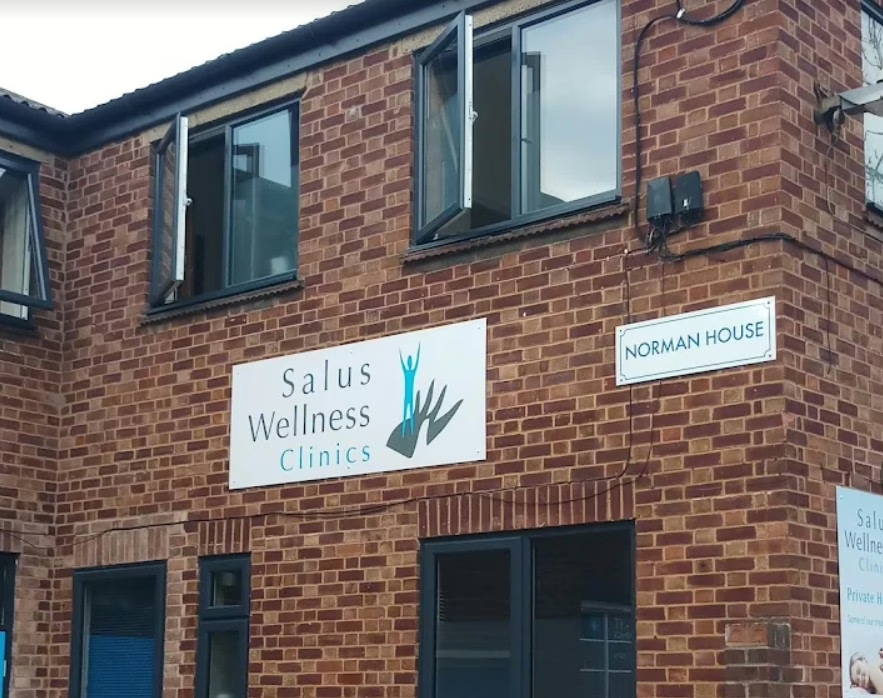
Cambridge: Private Microsuction Ear Wax Removal in Cambridge Cb2

Colindale: Private Microsuction Ear Wax Removal in North West London Nw4
Ealing: Private Microsuction Ear Wax Removal in Ealing W5

East Finchley: Private Microsuction Ear Wax Removal in East Finchley N2
Edgware: Private Microsuction Ear Wax Removal in North London Nw4

Enfield: Private Microsuction Ear Wax Removal in Enfield En1
Finchley: Private Microsuction Ear Wax Removal in Finchley North London
Hastings: Private Microsuction Ear Wax Removal in Hastings Tn34
Hendon: Private Microsuction Ear Wax Removal in North West London Nw4
Hythe: Private Microsuction Ear Wax Removal in Hythe Ct21
Kingston: Private Microsuction Ear Wax Removal in Kingston-Upon-Thames Kt6
Mill Hill: Private Microsuction Ear Wax Removal in North West London Nw4

Milton Keynes: Private Microsuction Ear Wax Removal Mk in Bucks Mk2

Muswell Hill: Private Microsuction Ear Wax Removal in Muswell Hill N2

Oxford: Private Microsuction Ear Wax Removal in Oxford Ox2
Reading: Private Microsuction Ear Wax Removal in Reading Rg30

St Albans – Private Microsuction Ear Wax Removal in St Albans Al1
Surbiton: Private Microsuction Ear Wax Removal in Surbiton Kt6

Watford: Private Microsuction Ear Wax Removal in Watford Wd3

Welwyn Garden City: Private Microsuction Ear Wax Removal in Welwyn Al8
Choose the Right Clinic for Ear Health, Hearing Support, and Peace of Mind
If you need a local clinic, begin with the practical basics, service type, access, experience, and clarity. For many people, that is enough to narrow the choice to one or two suitable providers. A good health directory makes that process easier by presenting information in a way that is simple to scan, compare, and understand. Whether you are arranging ear wax removal, a hearing check, or support for blocked ears, the aim is the same, to help you find safe and suitable care without delay.
Good healthcare decisions rarely come from one phrase or one search result. They come from clear facts, professional judgement, and a clinic that fits your needs. If a listing tells you how the service works, where it is, and what access arrangements are available, you are in a much better position to book confidently. That is the value of a well-curated directory for hearing health. It turns a broad search into a practical next step.
Final Checklist Before Booking
- Check whether the location works for you, including parking, public transport, and step-free access.
- Confirm the clinic offers the specific service you need, such as microsuction, manual wax removal, or a hearing assessment.
- Read whether the clinic uses qualified practitioners, ideally with audiology or specialist ear care experience.
- Look for clear wording on symptoms, so you know whether your case is suitable for routine treatment or needs medical advice first.
- Choose the provider that feels most transparent, because clear communication is often a sign of good care.
Why a Good Directory Makes the Process Easier
When information is organised well, you can spend less time searching and more time getting help. That is particularly valuable when hearing is affected, because clear communication matters at every stage. The best directory pages are practical, trustworthy, and specific enough to support both people and search systems. They should answer the real question, where can I get the right hearing care near me, and what should I expect when I get there?