Daily Care Strategies to Maximise the Performance of Your Hearing Aids
Effective Techniques for Thoroughly Cleaning Your Hearing Aids
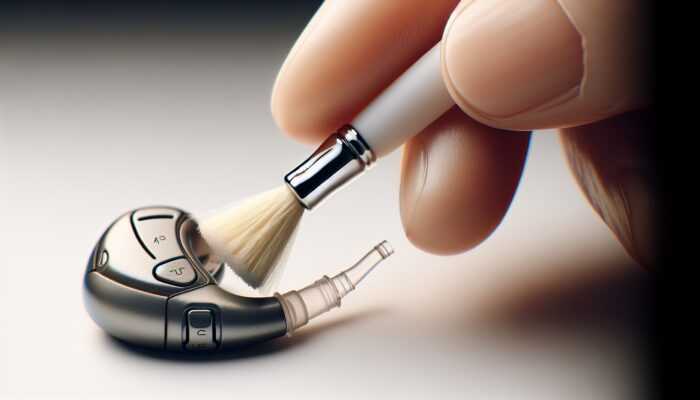
Maintaining cleanliness is crucial for the optimal performance and longevity of your hearing aids. Begin your daily routine by using a soft brush to gently eliminate any debris, dirt, or earwax that may accumulate on your devices. This practice helps prevent unwanted buildup, ensuring that the microphones and speakers work at their best, preserving sound quality and clarity. Given the intricate design of modern hearing aids, even minimal debris can obstruct sound transmission. By integrating this cleaning habit into your morning or evening routines, you can ensure your hearing aids stay in top condition and are ready for daily use.
It is also important to consider environmental factors that may impact your hearing aids. For example, those living in coastal regions face unique challenges due to salt and moisture, while urban dwellers might contend with dust and pollution. Customising your cleaning routine to address these specific conditions can be highly advantageous. If your hearing aids are frequently exposed to humidity, consider increasing the frequency of your cleaning sessions. Always follow the manufacturer’s recommendations for suitable cleaning products and tools, as using inappropriate materials could damage your devices. While cleaning, take a moment to appreciate the essential role these small devices play in connecting you to the vibrant sounds of life around you.
Why Regular Checks for Moisture are Vital for Your Hearing Aids
Moisture can stealthily compromise the functionality of your hearing aids, potentially causing internal damage that affects their performance. Regularly inspecting your devices for any signs of moisture is an essential part of your daily maintenance. This is particularly important for individuals in hot, humid climates or those engaging in activities that may induce sweating. A straightforward visual check can be very effective; look for condensation in the battery compartment or around the microphones, as these could indicate moisture issues.
Implementing protective measures is equally crucial. Using a dehumidifier or moisture-absorbing packets designed specifically for hearing aids can significantly reduce the risk of moisture damage. These tools are especially beneficial during humid seasons or in areas with high humidity levels. If you suspect moisture has affected your hearing aids, allow them to dry completely before using them again. Keeping a drying kit on hand can be an invaluable resource for maintaining the condition of your hearing aids.
Best Practices for Safely Storing Your Hearing Aids
Proper storage of your hearing aids when they are not in use is as important as the maintenance they receive. Always store your devices in a dry, cool location to protect them from environmental hazards. Avoid leaving them in places like your car, where temperature fluctuations can adversely impact their components. Instead, consider using a dedicated storage case that protects against dirt, moisture, and physical impacts.
If you travel frequently, investing in a robust yet compact travel case can be extremely beneficial. This case will safeguard your hearing aids as you explore new environments, whether trekking through the Amazon rainforest or navigating bustling street markets in Morocco. Proper storage ensures that your hearing aids are functional and ready for any adventures life may present.
Optimal Charging Techniques for Your Hearing Aids
Utilising the Manufacturer’s Charger for Peak Performance
Using the correct charger is essential for the effective operation of rechargeable hearing aids. Each device is meticulously designed to function optimally with its designated charger, ensuring both safety and efficiency during the charging process. Employing a third-party charger could lead to malfunctions or even irreversible damage to the internal battery. Always keep the manufacturer-provided charger readily accessible and make it your primary charging solution.
To enhance your charging experience, consider establishing a dedicated charging station in your home. This designated area can serve as a daily reminder to charge your hearing aids, seamlessly integrating it into your routine. A small, organised space on your bedside table or desk can keep your charger and hearing aids together, helping you remember to charge them consistently and fostering good habits.
How to Avoid Overcharging Your Hearing Aids
While it may be tempting to leave your hearing aids plugged in overnight, overcharging can lead to battery degradation, ultimately shortening their lifespan. Instead, aim to create a charging schedule that aligns with your daily routine. Many modern hearing aids are designed to charge quickly, providing hours of use from just a brief charging period.
By closely monitoring your charging cycles, you can prevent potential issues while maximising the longevity of your devices. Some users find it helpful to set reminders on their smartphones to alert them when charging is complete, ensuring they disconnect promptly. This proactive approach is crucial for anyone looking to maintain the optimal performance of their hearing aids.
Monitoring Battery Health for Your Hearing Aids

A vital aspect of caring for your rechargeable hearing aids is monitoring their battery health. Spend a few moments each day checking the battery indicator, which is often available through the hearing aid app or directly on the device. Staying informed about battery levels can help you avoid unexpected surprises when you need to use your hearing aids.
Consider keeping a log of your battery usage patterns, noting how long the battery lasts under various conditions. For instance, if you wear your hearing aids for extended periods during social interactions, track how this affects battery life. This information can be invaluable when discussing performance with your hearing care professional, enabling more informed decisions regarding your hearing aid use and maintenance.
Expert Handling Techniques for Your Hearing Aids
The Significance of Gentle Handling to Prevent Damage
Handling your hearing aids with care is essential to prevent physical damage. These sophisticated devices are delicate, and rough handling can easily lead to breakage. Always use gentle motions when inserting or removing them from your ears, being careful not to apply unnecessary pressure that could compromise their structure.
Exercise caution when cleaning your hearing aids or changing batteries. Handling small components can lead to accidents, so consider using a designated tray or a soft surface to work on. This way, if something slips, there is a reduced risk of it hitting a hard surface and incurring damage.
Techniques to Prevent Water Exposure for Your Hearing Aids
Water and electronic devices generally do not mix, and hearing aids are no exception. Keeping them away from water sources is critical for their longevity. Even slight exposure to moisture can promote mould growth or cause internal component damage, which can be costly to fix.
Consider your daily activities. If you enjoy swimming or running in the rain, be mindful of how your hearing aids may react. Investing in waterproof cases or choosing hearing aids designed with water-resistant features can help mitigate these risks. Make it a habit to remove your hearing aids before showering or swimming to avoid accidental exposure.
Managing Feedback for Enhanced Sound Quality
Feedback can be a frustrating issue for hearing aid users, often presenting as a high-pitched whistling sound. To effectively manage feedback, ensure a proper fit. Hearing aids must fit snugly in your ears to minimise sound leakage that can trigger feedback.
Regular adjustments may be necessary to maintain both comfort and prevent feedback issues. Schedule visits to your audiologist for periodic fitting adjustments and to discuss any changes in your hearing needs. This collaborative approach improves sound quality and enhances your overall hearing experience.
The Essential Role of Regular Cleaning and Maintenance
Integrating regular cleaning into your routine extends beyond basic care; it is essential for ensuring that your hearing aids perform at their best. The longevity of your devices depends on a steadfast commitment to cleanliness, particularly in removing earwax and debris that can accumulate within your hearing aids.
A soft brush can be your most effective tool in this regard. Dedicating just a few minutes each day will help ensure that your hearing aids remain free from obstructions that could impair sound quality. Consider investing in specialised cleaning tools designed specifically for hearing aids, as they can assist in reaching challenging areas and ensuring thorough cleaning.
Seeking Professional Care for Your Hearing Aids
The Value of Regular Check-ups with Hearing Care Professionals
Scheduling regular appointments with a hearing care professional is essential for the upkeep of your hearing aids. Just as you would visit a dentist for routine check-ups to maintain oral health, your hearing aids deserve the same level of attention. These specialists can evaluate the functionality of your devices, making necessary adjustments to ensure peak performance.
Many individuals may underestimate the importance of these check-ups, but neglect can lead to diminished sound quality and overall performance. A hearing care professional can provide valuable insights into how well your hearing aids are serving you and recommend improvements or upgrades when necessary, ensuring you continue to enjoy the best possible hearing experience.
The Benefits of Professional Cleaning for Your Hearing Aids
While daily cleaning is crucial, certain buildups may require professional intervention for thorough removal. Over time, wax and debris can accumulate in hard-to-reach areas, potentially leading to performance issues. A professional cleaning session can effectively eliminate these stubborn particles, restoring your hearing aids to optimal operational condition.
Consider professional cleaning as a spa day for your devices, allowing them to operate at their best. Many hearing care providers offer this service as part of routine maintenance, ensuring that your hearing aids remain in excellent condition and ready for use.
Keeping Firmware Updated for Enhanced Functionality
Staying informed about firmware updates is essential for maintaining the latest features and performance enhancements for your hearing aids. Many manufacturers provide updates that improve functionality or address potential issues that may arise over time. Your audiologist can assist you in checking for updates, ensuring you benefit from the latest advancements in hearing technology.
Updating firmware can sometimes be as simple as connecting your hearing aids to a smartphone app or computer. Make it a regular practice to check for these updates, as they can significantly enhance your experience and overall satisfaction with your devices.
Understanding Environmental Influences on Hearing Aids
Safeguarding Hearing Aids from Extreme Temperature Changes
Extreme temperatures can adversely affect the performance and lifespan of your hearing aids. Both excessive heat and cold can lead to battery malfunctions or even physical damage to components. For instance, leaving your hearing aids in a hot car or exposing them to freezing temperatures can cause serious harm.
When travelling, consider investing in an insulated case that can protect your hearing aids from temperature variations. This simple yet effective measure can be transformative for individuals residing in regions with extreme climates, ensuring that your devices remain safe, functional, and reliable.
Managing Humidity to Protect Your Hearing Aids
Humidity is another environmental factor that can greatly impact the functionality of your hearing aids. Living in humid regions can lead to moisture accumulation, creating conditions that encourage mould and bacteria growth. To combat this issue, consider using a specialised drying kit or a dehumidifier designed specifically for hearing aids.
Incorporating these tools into your daily routine can significantly extend the lifespan of your devices. Make it a habit to dry your hearing aids after any exposure to moisture or humidity, particularly following activities that may introduce excess moisture into them.
Shielding Hearing Aids from Dust and Environmental Pollutants
Dust and pollutants are often unavoidable in our environments, yet they can pose a significant threat to the performance of your hearing aids. Keeping your devices away from dusty areas and polluted environments can greatly enhance sound quality and clarity, ensuring a more enjoyable hearing experience.
To mitigate these risks, consider using protective covers when storing your hearing aids in areas prone to dust or debris. This simple yet effective step can prevent contamination and ensure that your devices remain in optimal working condition, ready for use whenever needed.
Implementing Proper Storage and Handling Techniques
Proper storage and careful handling of your hearing aids are vital for protecting them from damage. When not in use, always place them in a protective case to shield them from dust, moisture, and physical impacts. This practice prolongs the lifespan of your devices and keeps them easily accessible for those moments when you need them most.
Make it a habit to handle your hearing aids gently. Before placing them in their case, ensure they are clean and dry. This attention to detail is essential for maintaining their functionality and performance, allowing you to enjoy the rich sounds of life without interruptions.
Troubleshooting Common Hearing Aid Challenges
Solutions for Connectivity Problems
Connectivity issues can be particularly frustrating, especially with the growing reliance on Bluetooth technology in hearing aids. If you experience connectivity problems, a simple restart of your devices can often resolve the issue.
Ensure that your hearing aids are correctly paired with your devices. Check your smartphone or other Bluetooth-enabled devices to confirm that the connection is established. If issues persist, consult your hearing care professional for further assistance and troubleshooting.
Strategies for Resolving Sound Distortion Issues
Sound distortion can significantly diminish your overall hearing experience, causing frustration and dissatisfaction. If you notice changes in sound quality, start by checking for any obstructions that could affect performance. Thorough cleaning of your hearing aids can often rectify this issue.
Consider whether your hearing aids are fitted correctly. Misalignment can lead to sound distortion, so if you suspect this may be the case, seek a professional fitting. Achieving seamless sound quality is essential for your overall comfort and satisfaction.
Addressing Battery Drainage Challenges
If your hearing aids are rapidly depleting their batteries, it’s important to evaluate your usage patterns and settings. Certain features may consume more power than necessary, so adjusting these settings can help extend battery life.
Consider lowering the volume or disabling specific features when your hearing aids are not in use. Monitoring battery health and usage empowers you to make adjustments that prolong the life of your devices and enhance your auditory experience.
Long-term Strategies for Effective Hearing Aid Maintenance
The Importance of Regularly Replacing Ear Tips and Domes
Maintaining a proper fit is crucial for the effectiveness of your hearing aids, and routinely replacing ear tips and domes is an essential part of this process. Over time, these components can accumulate wax and debris, which can hinder sound quality and comfort.
As a general guideline, replace ear tips and domes every few months or as needed based on usage. This simple step ensures hygiene and guarantees a comfortable fit. Consult your hearing care professional for guidance on selecting the right materials that cater to your individual needs and preferences, enhancing your overall hearing experience.
Updating Accessories for Optimal Hearing Aid Care
Keeping your accessories, such as cleaning tools and protective cases, up to date is often an overlooked aspect of long-term care for hearing aids. Investing in high-quality tools allows you to maintain your hearing aids effectively, ensuring their longevity and performance.
Consider the environmental conditions where you live when selecting accessories. For example, if you reside in a humid area, opt for moisture-resistant cleaning tools and storage options. This attention to detail can significantly impact the durability and functionality of your devices, helping you achieve the best possible hearing experience.
Frequently Asked Questions About Hearing Aids
How often should I clean my rechargeable hearing aids for optimal performance?
You should clean your hearing aids daily to remove debris and prevent buildup. Regular maintenance is essential for prolonging their lifespan and ensuring optimal performance.
Is it safe to use any charger for my hearing aids without risking damage?
No, always use the charger provided by the manufacturer. Third-party chargers may not be compatible and could potentially lead to device damage or malfunction.
What should I do if my hearing aids become wet?
If your hearing aids get wet, turn them off immediately and allow them to dry completely before using them again. Consider using a drying kit for added safety and protection.
How can I effectively prevent feedback in my hearing aids?
Ensure that your hearing aids fit snugly in your ears to minimise sound leakage and feedback. Regular adjustments from your audiologist can also help achieve a better fit.
What is the recommended frequency for professional cleaning of my hearing aids?
Aim for professional cleaning every six months or as necessary, particularly if you notice performance issues that daily cleaning fails to address.
What is the best method for storing my hearing aids when not in use?
Store your hearing aids in a cool, dry place inside a protective case when they are not in use, ensuring you avoid areas with extreme temperatures.
How can I effectively monitor the battery life of my hearing aids?
Many hearing aids feature a battery indicator or connect to an app displaying battery life. Regularly check this feature to prevent unexpected battery drainage.
What actions should I take if I experience sound distortion in my hearing aids?
Check for any obstructions in your hearing aids and ensure they are fitted correctly. If issues persist, consult your hearing care professional for further evaluation and assistance.
How long can I expect the batteries in rechargeable hearing aids to last?
Rechargeable hearing aid batteries typically last between 10 to 20 hours, depending on usage patterns and settings. Regularly check the battery health indicator for timely updates.
Am I allowed to make adjustments to my hearing aids myself?
While minor adjustments like volume control can often be managed by the user, more significant changes should be performed by a hearing care professional to ensure optimal results and performance.
Discover more about us on X!
The post Rechargeable Hearing Aids: Essential Care Tips for Longevity appeared first on The Microsuction Ear Wax Removal Network.
Originally posted 2025-05-09 03:12:48.
The post Rechargeable Hearing Aids: Tips for Long-lasting Care appeared first on Healthcare Marketing Service.